 People often imagine healing as a dramatic breakthrough. They picture one conversation, one retreat, one revelation, one perfect boundary, one moment that changes everything at once. Sometimes change does come in a clear turning point. But more often, healing returns in smaller ways. It comes back through the ordinary parts of a life that slowly start feeling livable again.
Healing Is Often Quiet
That may sound less exciting than a major transformation, but it is often more real. Healing might begin when a person notices they can make tea without rushing. When they laugh without feeling guilty. When they rest without needing to justify it. When they open a window, fold laundry, walk to the train, wash dishes, or sit in silence and feel a little more present than they did six months ago.
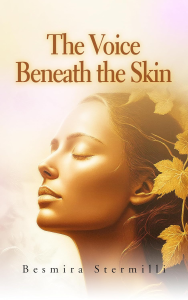
One of the striking qualities of Die Stimme unter der Haut is that it does not place meaning only in the exceptional. The book hears revelation in kitchens, grief in the body, holiness in ordinary tenderness, and return in the plain facts of daily life. That gives it a grounded kind of beauty. It suggests that the sacred is not somewhere else waiting to be reached. It may already be woven into the life a person is standing in.
Why Ordinary Life Matters
That idea matters because many people postpone healing without realizing they are doing it. They imagine it belongs to a future version of themselves who is more rested, more certain, more organized, more spiritually advanced, or less overwhelmed. In the meantime, they keep living as if their real life has not started yet. But healing rarely arrives by helping us escape our lives. More often it teaches us how to inhabit them differently.
For someone coming out of a difficult season, this can feel strange at first. The nervous system may be used to intensity. Rest may feel unfamiliar. Joy may feel suspicious. Calm may feel empty. Even small beauty can seem too small to trust. That is why the return to ordinary life often has to be slow. The body and heart may need time to learn that gentleness is not a trick and that peace does not always mean something bad is about to happen.
The Return of Aliveness
This relearning happens in repeated moments. Making breakfast and actually tasting it. Stepping outside and noticing the air. Letting the room be messy without making it a moral failure. Saying no to one thing and not collapsing from guilt. Saying yes to something soft and letting it count. These moments may not look like much to anyone else, but they can mark the return of aliveness.
There is also something powerful about allowing everyday rituals to become places of care. A shower can become a reset instead of a rushed task. A walk can become a conversation with yourself. Cooking can become grounding instead of obligation. Folding clothes can become a way of coming back into your hands. None of these things solve life on their own, but they can help a person feel less exiled from their own days.
Less Dramatic, More Lasting
People sometimes dismiss this kind of healing because it is not flashy. It does not always produce a story with a neat before and after. But there is wisdom in a healing process that reenters the real conditions of life. It means the person is not only feeling better in rare moments. They are learning how to live differently in the middle of what is already here.
That can include relationships too. Healing may show up in a marriage when ordinary tenderness comes back. In parenting when the room feels softer. In friendship when someone can tell the truth without rehearsing it for hours. In solitude when a person no longer feels abandoned by their own company. These are daily forms of repair, and they matter just as much as the larger milestones people tend to talk about.
What Ordinary Does Not Have To Be
It is also important to say that healing does not require every day to feel meaningful. Some days are boring. Some are heavy. Some are simply practical. The goal is not to turn ordinary life into a constant spiritual event. It is to stop assuming that the ordinary is empty. Much of life happens there. Much of restoration does too.
That is one reason books like Die Stimme unter der Haut stay with readers. They remind us that transformation is not only found in fire and collapse. It can also be found in breath, touch, truth, and the plain, repetitive scenes of a human life gradually becoming more inhabited.
Healing does not always arrive as a dramatic new life. Sometimes it arrives as the old life becoming real enough to live in again. A little warmer. A little truer. A little more your own.
Available on Amazon: https://a.co/d/01a5kLHx